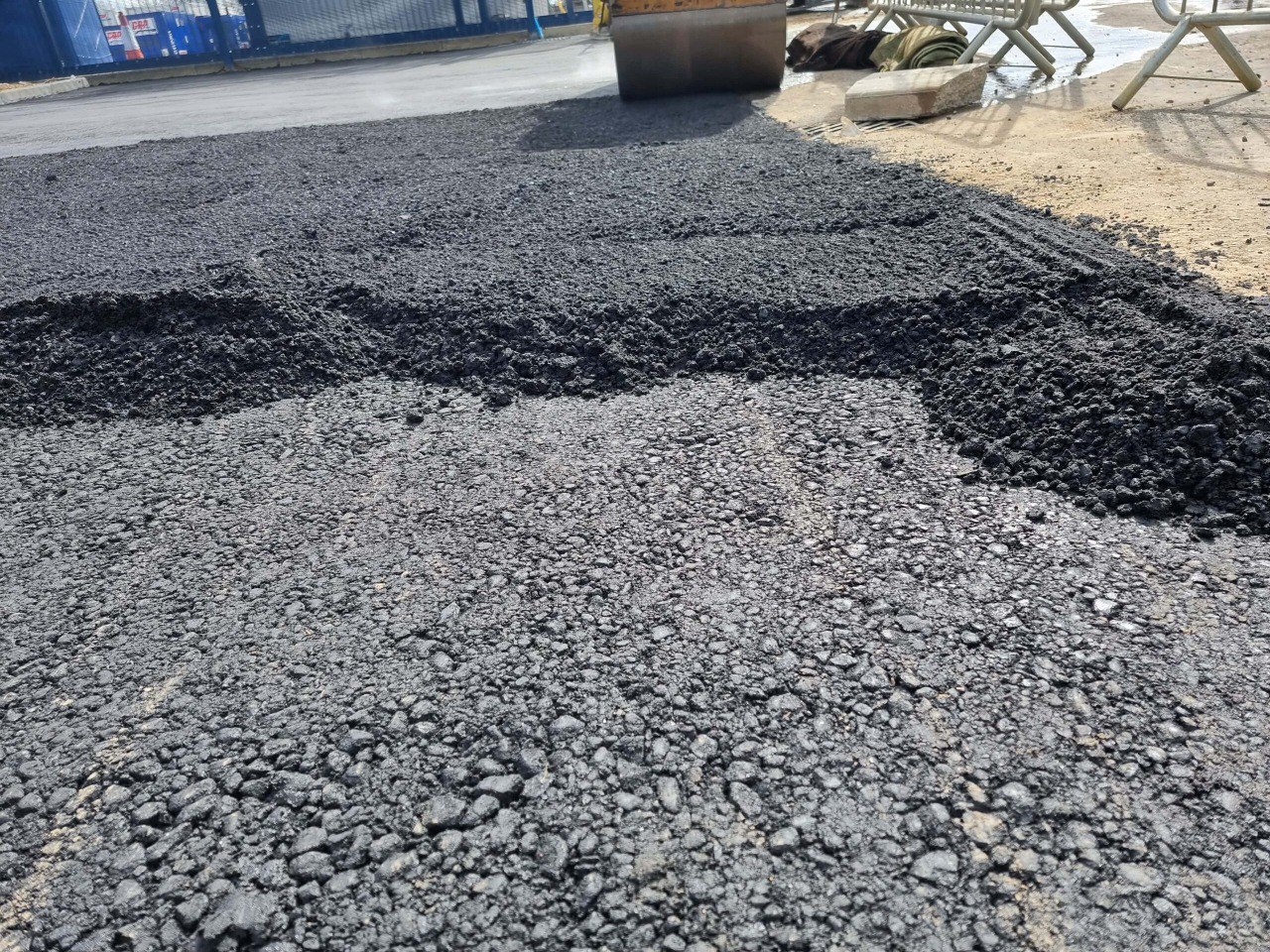
Residential vs Commercial Tarmac: Understanding the Differences
Tarmac is a versatile surfacing option that can be used for everything from residential driveways to larger commercial access areas. Although the basic material is similar, the requirements for a residential and commercial tarmac surface can be quite different.
Understanding these differences is important when choosing a suitable surface for a property in Weybridge, Surrey. The expected traffic, underlying ground conditions, drainage and intended use all need to be considered before installation.
What Is Residential Tarmac?
Residential tarmac is commonly used for driveways, private access routes and other areas around individual properties. These surfaces are generally designed to accommodate cars and light everyday traffic.
A residential driveway needs to provide a stable, practical surface while also complementing the appearance of the property. Good preparation is important because the tarmac needs a suitable foundation to withstand repeated vehicle movements without unnecessary deterioration.
The layout, drainage and existing ground conditions should all be assessed before work begins.
What Is Commercial Tarmac?
Commercial tarmac is used for areas that may experience substantially greater levels of traffic and heavier loads. Depending on the application, this can include business access areas, larger parking surfaces and other high-use environments.
Commercial surfacing therefore needs to be designed around the specific demands placed upon it. The construction may require a more robust foundation and appropriate material specification to accommodate the expected traffic.
The surface itself is only one part of a successful commercial installation. The supporting structure beneath it is equally important.
The Main Difference Is Usage
One of the biggest differences between residential and commercial tarmac is the level and type of traffic expected.
A private driveway may mainly experience cars arriving and leaving throughout the day. A commercial surface could experience considerably more frequent vehicle movements and potentially heavier vehicles.
This difference affects the design and preparation required. Tarmac should be installed according to the loads and usage it is expected to withstand rather than treating every project in the same way.
Ground Preparation Matters for Both
Whether a tarmac surface is intended for a home or commercial property, the foundation needs to be properly prepared.
Weak or unstable ground can cause movement and eventually lead to cracking, depressions or other surface problems. Depending on the condition of the site, preparation may involve excavation, improving the sub-base or addressing drainage issues.
Commercial projects may require more substantial preparation because of the greater loads involved, but residential driveways also need a stable foundation for reliable long-term performance.
Drainage Requirements
Effective drainage is important for both residential and commercial tarmac. Water that is allowed to collect on or around the surface can contribute to deterioration over time.
The design of the surface should take water flow into account, with suitable falls and drainage arrangements where required.
During a professional installation, drainage should be considered as part of the overall surfacing design rather than as an afterthought.
Choosing the Right Tarmac for the Application
There is no single tarmac specification that is suitable for every project. The appropriate materials and construction methods depend on the intended use, traffic levels, ground conditions and overall requirements of the site.
For a residential driveway, the focus may be on providing a durable surface suitable for regular vehicle use while maintaining a neat appearance.
For commercial applications, the design may need to account for higher traffic volumes, heavier vehicles and more demanding everyday use.
Maintenance and Signs of Wear
Both residential and commercial tarmac surfaces benefit from regular attention. Keeping the surface clear of debris and dealing with developing defects promptly can help prevent minor problems from becoming more extensive.
Cracks, potholes, depressions and areas where water is collecting should be assessed rather than ignored. The appropriate repair will depend on the cause and extent of the damage.
Commercial surfaces may require closer monitoring because higher traffic levels can expose weaknesses more quickly.
Residential and Commercial Tarmac in Weybridge, Surrey
For property owners in Weybridge, Surrey, NS Driveways Weybridge provides professional tarmac surfacing for residential and commercial requirements.
Each project should be assessed according to its intended use, existing ground conditions, drainage requirements and expected traffic. This helps ensure that the surface and supporting construction are appropriate for the demands placed upon them.
If you are considering a new tarmac driveway or commercial surface in Weybridge, contact NS Driveways Weybridge to discuss your requirements and arrange a professional assessment.
Conclusion
Residential and commercial tarmac may use similar surfacing materials, but the design and preparation can differ significantly depending on how the surface will be used. Traffic levels, vehicle weight, ground conditions and drainage all influence the appropriate construction.
For properties in Weybridge, Surrey, selecting the right approach from the beginning can help create a tarmac surface that is practical, stable and suited to its intended use. NS Driveways Weybridge can provide professional guidance on the preparation and installation required for your project.
Call us on: 01932 504 629
Click here to find out more about NS Driveways Weybridge
Click here to complete our contact form and see how we can help with your driveways.